
FD Fan Inlet Airflow Measurement After a Regenerative Pre-Heater
Regenerative pre-heaters recover heat from exhaust gases to warm incoming combustion air, improving boiler and process efficiency. However, downstream of these heaters, airflows are often dirty, particulate-laden, and turbulent, making accurate airflow monitoring a challenge. Reliable FD fan inlet airflow measurement and after a regenerative preheater is essential to optimize combustion, reduce fuel use, and maintain safe, stable operations. Air Monitor’s rugged probes, purge systems, and drift-free transmitters are engineered to perform in these harsh environments, ensuring accurate, repeatable airflow data where other devices fail. Speak With an Application Engineer
With Air Monitor Solutions, You Gain
Confidence in System Stability
Regenerative pre-heater ducts present some of the harshest airflow measurement challenges, with dirty, particulate-laden air and highly variable flow profiles. Air Monitor’s systems, equipped with AUTO-purge and AUTO-zero features, deliver stable, drift-free readings of both velocity and static pressure, even in these difficult conditions. Operators gain confidence that their data is accurate and repeatable, without the need for constant recalibration. This reliability translates into smoother combustion control, fewer emergency shutdowns, and safer overall system performance.Empowerment Through Precision
Accurately measuring airflow after a regenerative preheater or at an FD fan outlet is critical for maintaining proper air-to-fuel ratios. Air Monitor’s engineered solutions, including multipoint Pitot arrays and flow conditioners, provide precise readings of air flow and pressure profiles, even when ducts have limited straight runs or non-uniform profiles. With this level of precision, engineers and technicians can fine-tune combustion, optimize heat recovery, and detect fouling or blockages early, empowering them to keep operations efficient and compliant.Pride in Long-Term Operational Excellence
Teams using Air Monitor systems consistently report pride in operating at a higher standard. From successful startups and smooth audits to long-term stable performance, operators know they are supported by rugged, best-in-class technology designed for harsh industrial environments. With stainless steel probes, decades-long durability, and unmatched calibration stability, Air Monitor solutions for post-preheater airflow measurement reflect a commitment to excellence in safety, reliability, and efficiency.Airflow Measurement Products
CEM Systems
Continuous Emissions Monitoring (CEM) solutions combine flow, temperature, and pressure measurement with automated purging to deliver accurate, compliant airflow data. Fully aligned with 40 CFR Part 75 requirements, CEM Systems are well-suited for post-preheater ducts where regulatory reporting and emissions reduction are critical.

AUTO-purge III
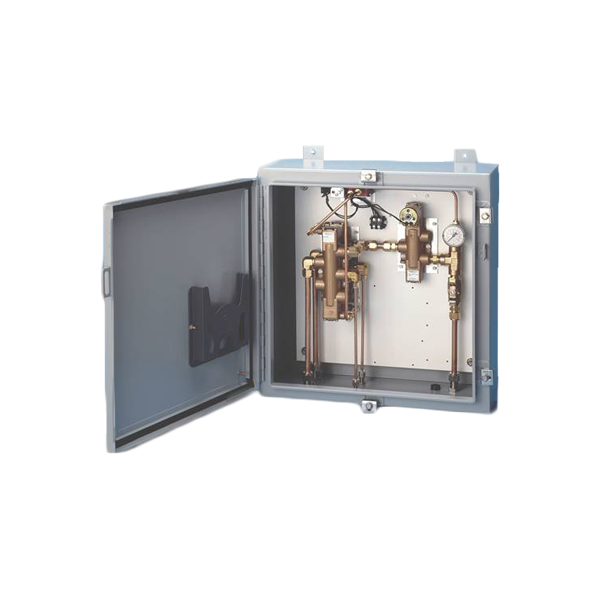
AUTO-purge III is an electro-pneumatic purge system designed to keep sensing ports clear in dirty, particulate-heavy ducts downstream of regenerative pre-heaters. Automating debris removal minimizes manual maintenance and ensures accurate, continuous airflow measurement over the long term.
AUTO-purge III/CEM
AUTO-purge III/CEM integrates automated port purging with Continuous Emissions Monitoring systems. This ensures that CEM sensors remain clear and accurate even in the harsh, particulate-laden airflows that follow regenerative pre-heaters, improving reliability and reducing downtime.
CA Station
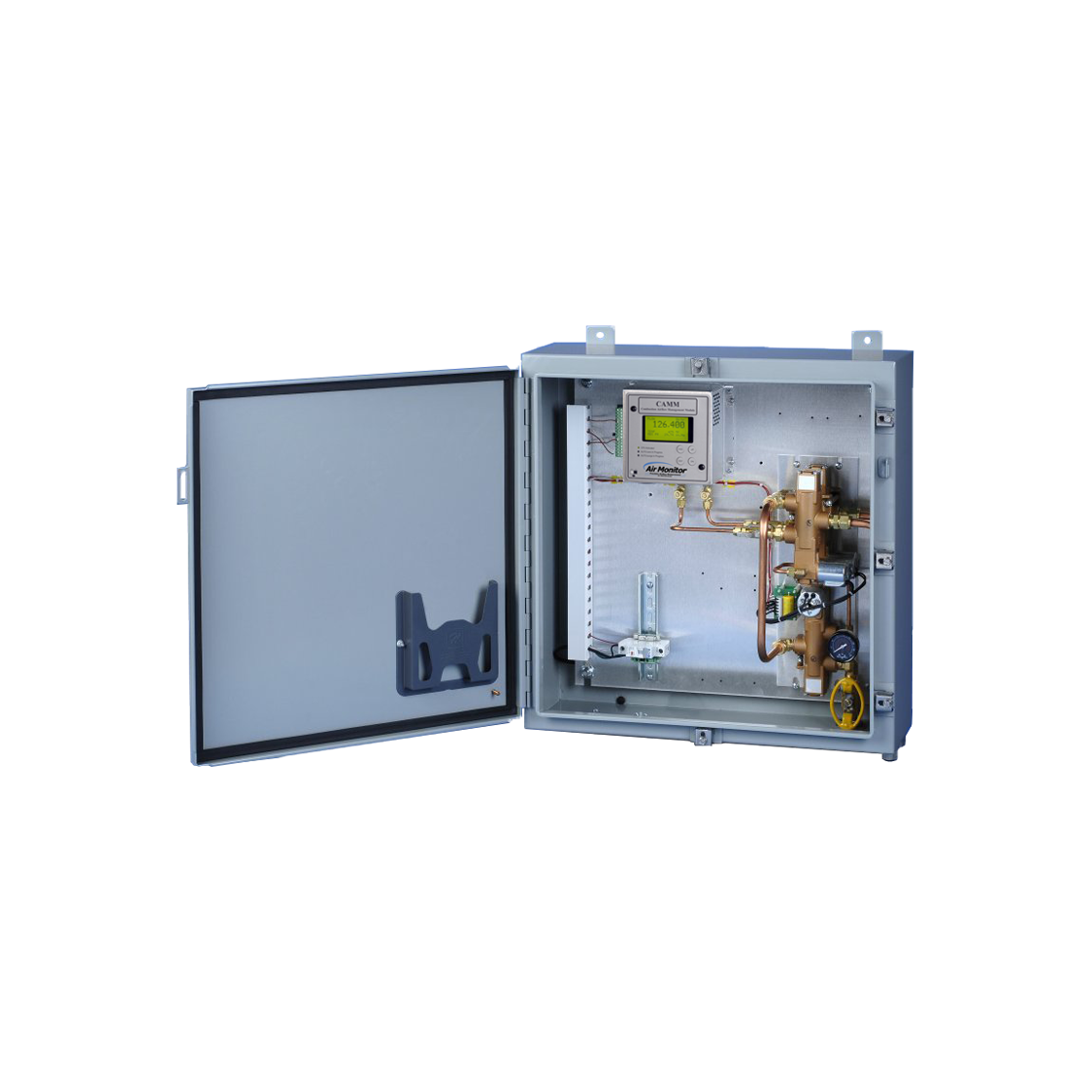
The CA Station is an engineered airflow measurement station that uses a multipoint Pitot traverse array with built-in flow conditioning to measure bulk airflow in ducts with poor profiles. Ideal for regenerative preheater applications, it delivers accurate readings in turbulent, high-particulate environments with minimal straight-run ductwork.
CAMS™
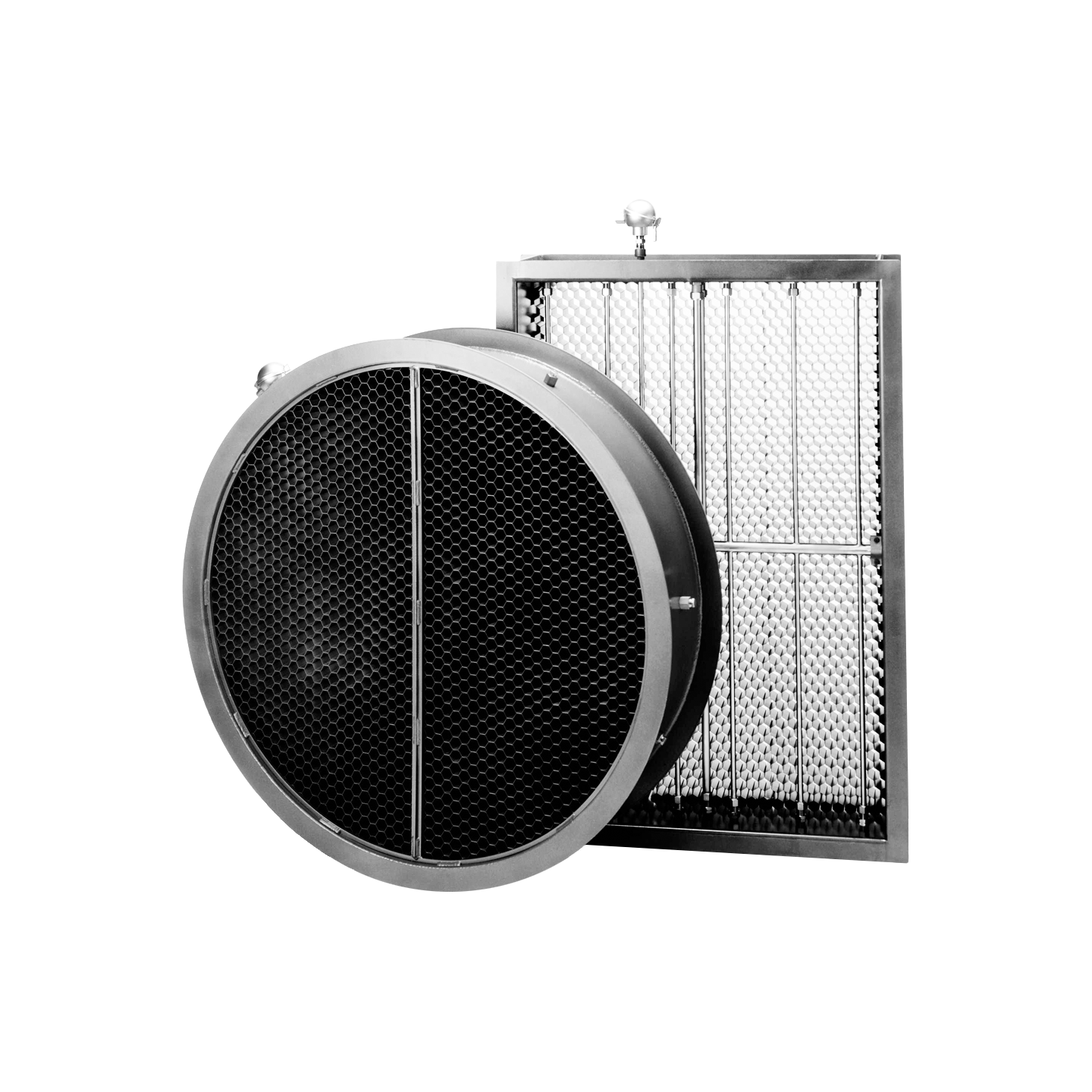
The Combustion Airflow Management System (CAMS™) integrates airflow measurement, purge control, and smart transmitter modules to deliver precise, compensated airflow data. In post-preheater ducts, CAMS™ supports stable combustion control and reliable monitoring even in high-dust, high-temperature conditions.

MASS-tron II/CEM
MASS-tron II/CEM provides fully compensated mass flow measurement, combining temperature, pressure, and flow data for high accuracy. In regenerative preheater systems, it delivers emissions-critical data that meet EPA compliance requirements while supporting fuel efficiency.
VOLU-probe/SS
The VOLU-probe/SS is a stainless steel averaging Pitot tube designed for dirty, turbulent ducts such as those downstream of regenerative pre-heaters. Operating over a wide velocity range with ±2% accuracy, it provides dependable combustion airflow data in corrosive or abrasive environments.
STACK-probe
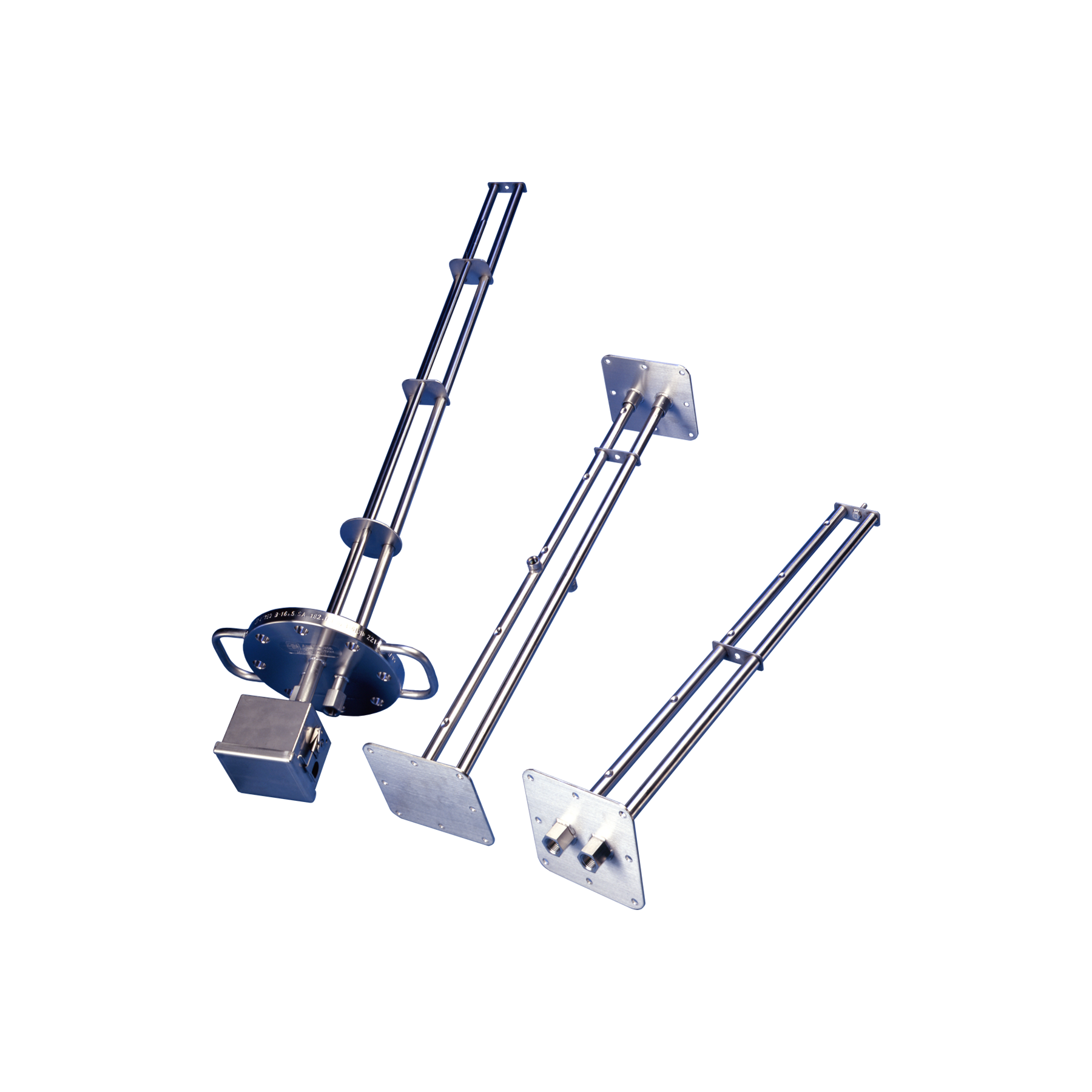
The STACK-probe™ is a rugged, EPA-compliant airflow traverse probe for stack and large duct applications. It is well-suited for post-preheater conditions where limited straight runs and particulate-laden flows require durable construction and accurate flue gas flow measurement.

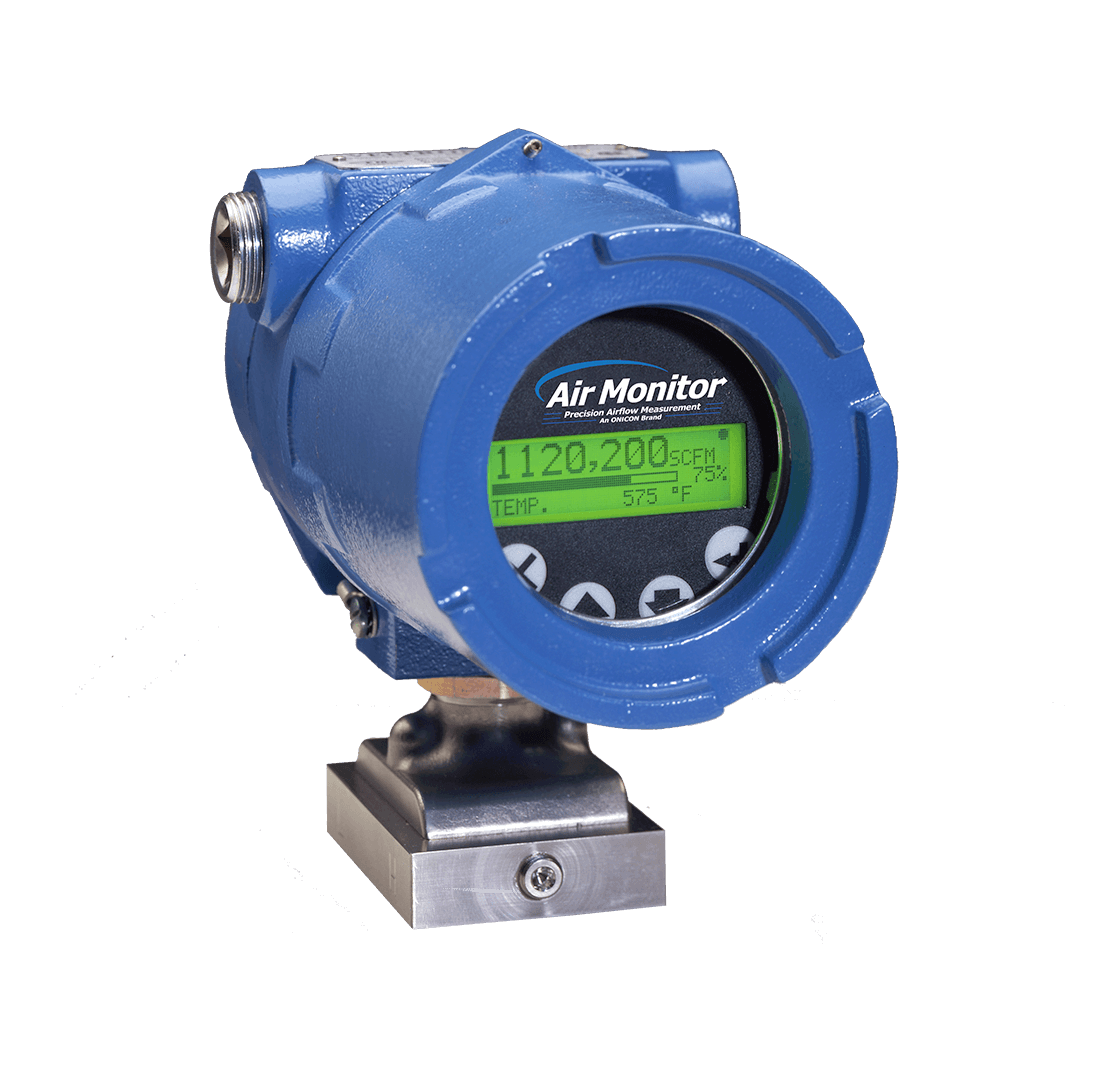
VELTRON DPT-Plus
VELTRON DPT-Plus is a multivariable transmitter with AUTO-zero technology, delivering drift-free differential pressure and temperature-compensated mass flow readings. It is especially effective for post-preheater ducts where stable, long-term accuracy is required in turbulent, low-pressure flows.
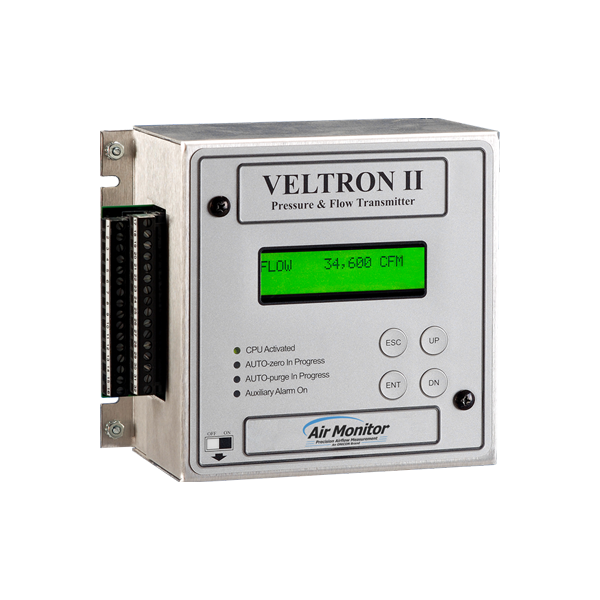
VELTRON II Transmitter
The VELTRON II Transmitter provides accurate differential pressure and volumetric airflow measurement with wide turndown capability. In regenerative preheater applications, it offers long-term stability, adaptability to varying duct layouts, and dependable data for combustion control.
More About Airflow Measurement After a Regenerative Pre-Heater
Monitoring airflow to or from regenerative pre-heaters is essential for efficiency, safety, and compliance:
- Optimize Heat Transfer Efficiency: Too little air flow reduces heat recovery, while too much reduces residence time and lowers preheater effectiveness.
- Balance Air and Fuel Ratios: Precise airflow data enables tighter combustion control, cutting fuel use and lowering emissions.
- Detect Fouling or Blockages: Drops in airflow can signal clogged surfaces, damper malfunctions, or particulate buildup.
- Ensure System Safety: Abnormal patterns may indicate fan failures, leaks, or overheating risks—early detection prevents costly shutdowns.
- Enable Predictive Maintenance: Continuous monitoring supports data-driven maintenance schedules, reducing downtime.
Unlike HVAC or indoor air quality systems designed for clean-air environments, post-preheater ducts demand rugged technology. Air Monitor solutions, with purge systems, high-temperature alloys, and multipoint sensing arrays, are purpose-built to withstand the dirty air process measurement challenges unique to regenerative pre-heaters.

Optimizing FD Fan Airflow for Enhanced Boiler Efficiency
Forced Draft (FD) Fans play a critical role in supplying combustion air to boilers in thermal power plants. This air is first drawn from the atmosphere and then passed through regenerative air pre-heaters, where it is heated using thermal energy recovered from flue gases exiting the boiler. The preheated air significantly improves combustion efficiency, reduces fuel consumption, and enhances overall boiler performance.
Efficient airflow management ensures optimal air-to-fuel ratios, which are essential for complete combustion and minimizing unburnt fuel losses. Excessive airflow can lead to heat loss through the stack, while insufficient airflow can cause incomplete combustion. Therefore, maintaining a slightly lean mixture with 15–20% excess air is ideal.
Key performance indicators such as flue gas oxygen content, stack temperature, and air pre-heater temperature differential help assess and fine-tune system efficiency. Properly managed FD Fan airflow contributes sig

FD Fan Inlet and Regenerative Pre-Heater Airflow FAQs
Why is accurate FD Fan inlet airflow measurement important for boiler efficiency?
Accurate measurement of FD Fan inlet airflow ensures the correct air-to-fuel ratio in the combustion chamber, which is critical for efficient fuel burning. Overfeeding air can waste energy, and underfeeding can lead to incomplete combustion.
How do regenerative air pre-heaters improve boiler performance?
Regenerative air pre-heaters recover heat from flue gases and use it to preheat the incoming combustion air. This increases the temperature of the air entering the furnace, improving combustion efficiency, reducing fuel consumption, and lowering emissions. Accurate airflow measurement ensures the pre-heater operates within optimal parameters.
How can combustion airflow measurement reduce operational costs?
By precisely measuring airflow into the combustion chamber, operators can maintain the ideal air-to-fuel ratio, preventing excess fuel use and reducing wear on burners and blowers. This leads to lower fuel costs, improved emissions control, and reduced maintenance.
News & Innovation
Fully-Metered Boiler Combustion Control vs. Parallel Positioning Systems
Advanced combustion control systems offer solutions to improve boiler performance and reduce emissions.White Paper on Improved Industrial Combustion Processes
Learn how advanced combustion airflow measurement techniques can cut costs and boost efficiency.Product Brochures & Catalog Sheets
Explore our downloadable product brochures, catalog sheets, and other essential documents.-

CEM Systems
Continuous Emissions Monitoring (CEM)
System compliant to meet 40 CFR Part 75 data reporting requirements.
Flow, Temperature, ABS Pressure, Purge, Reporting
- In-stack flow measurement
- Accuracy: 3% of actual flow
- Companion mass flow transmitter
- Automated pneumatic purging
- 40CFR75 Compliant
-
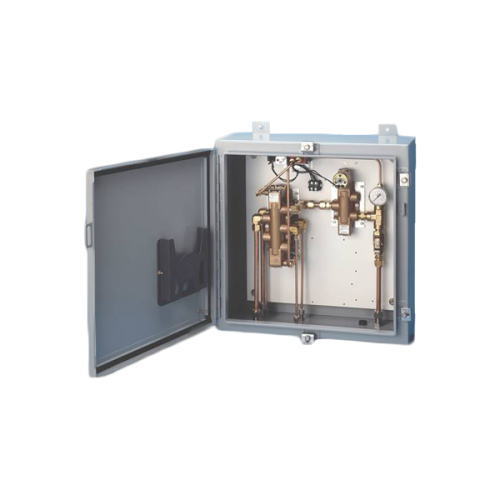
AUTO-purge III
Automated Air Purge System
Electro-pneumatic system automates sensing port debris purging for low maintenance dirty airflow measurement.
Companion System
- Add to flow and transmitter pairings
- Automated pneumatic purging
- Field-selectable purging intervals
- Maintains flow system performance
- Trouble-free operation
-
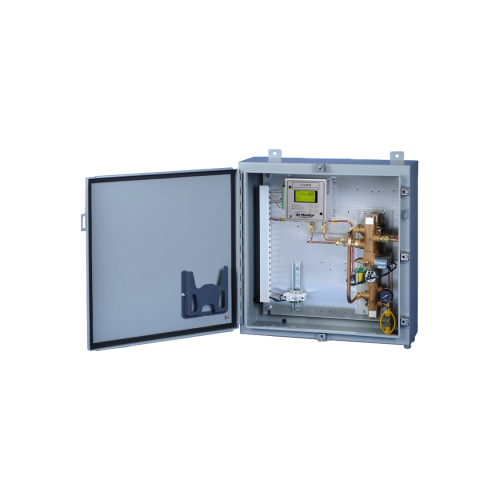
AUTO-purge III/CEM
Continuous Emissions Monitoring (CEM) with Purging
Electro-pneumatic system automates sensing port debris purging for low maintenance CEM.
Companion System
- Add to flow and transmitter pairings
- Automated pneumatic purging
- Field-selectable purging intervals
- Maintains flow system performance
- Trouble-free operation
-
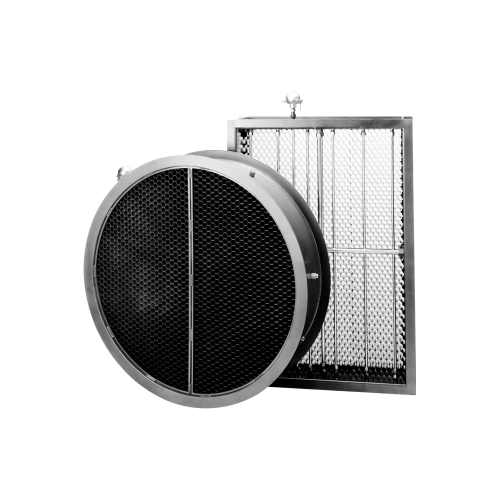
CA Station
Inline Airflow Measuring Station
Differential pressure Pitot airflow traverse array in rectangular & circular constructions for combustion airflow.
0 to 8,000 FPM
- Accuracy: 2-3% of Actual Flow
- Circular/Rectangular; fabricated to any size
- Temperature: ≤800°F
- Carbon steel, Stainless steel
- Built-in flow conditioning
-
CAMS™
Combustion Airflow Management
System designed to monitor combustion airflow and purge debris from sensing ports.
Integrated System
- Accuracy: 0.1%
- Temperature and pressure compensated
- Automated pneumatic purging
- Add to flow measurement pairing
- Trouble-free operation
-
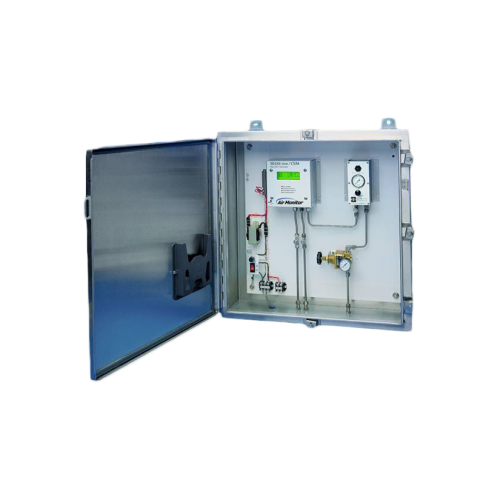
MASS-tron II/CEM
Continuous Emissions Monitoring (CEM)
System of mass flow products compliant to meet 40 CFR Part 75 data reporting requirements.
Flow, Temperature, ABS Pressure, Reporting
- Add to flow measurement pairing
- Companion mass flow transmitter
- Flow/Differential Pressure Calculator
- 40CFR75 Compliant
- Fully compensated mass flow
-
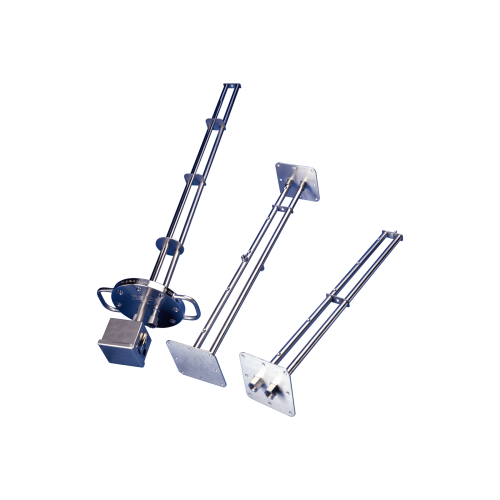
VOLU-probe/SS
Insertion Airflow Measuring Probes
Stainless steel airflow traverse probe ideal for dirty applications with corrosive, abrasive, and extreme temperatures.
400 to 10,000 FPM
- Accuracy: 2% of Actual Flow
- Temperature: ≤900°F
- Stainless steel, Hastelloy, Inconel, Kynar
- External or Internal mounting
- Easy installation/removal for maintenance
-
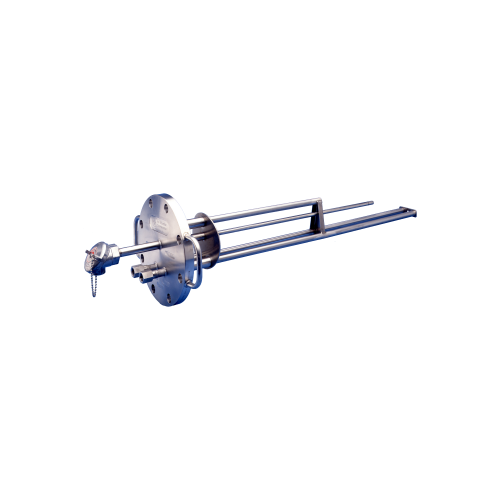
STACK-probe
Insertion Airflow Measuring Probes
Airflow traverse probe for stack flow monitoring typical for Continuous Emissions Monitoring (CEM) systems.
400 to 10,000 FPM
- Accuracy withing 40CFR75 specs
- Temperature: ≤900°F
- Stainless steel, Hastelloy, Inconel
- 4” or 6” 150lb Flange connections
- Cantilevered construction / installation
-
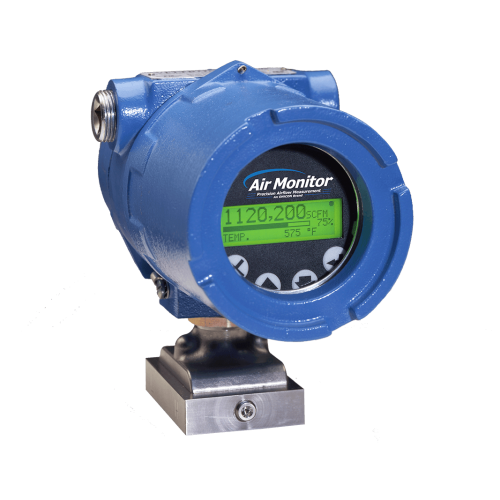
VELTRON DPT-Plus
Multivariable Transmitter
Measures differential pressure and process temperature providing output of calculated mass flow.
Flow, Temperature, or Differential Pressure
- Accuracy: 0.1%
- URL down to 0.05” w.c.
- NEMA 4X
- Class I Div 1, Class II Div 1
- 24VAC, 24VDC
-
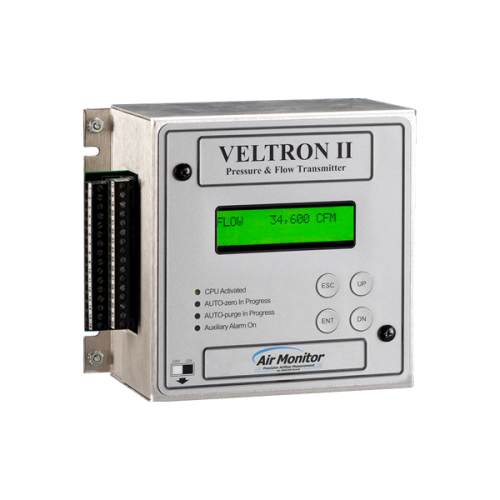
VELTRON II
Transmitter
Measures differential pressure providing output of differential pressure or volumetric flow.
Flow or Differential Pressure
- Accuracy: 0.1%
- URL down to 0.05” w.c.
- NEMA 1, optional NEMA 4 and 4X
- 24VAC, 24VDC
- Turndown: 100:1