
Why secondary airflow now demands more attention
Power plants are being pushed to operate cleaner, safer, and more efficiently. Many must cycle across a much wider load range than they were originally designed for. Secondary (bulk) airflow directly affects combustion air‑to‑fuel ratios. Getting the right “macro” airflow number is critical for thermal efficiency, emissions performance, and safe boiler operation.

Many coal, gas, and oil‑fired units now sit at low load for long periods waiting to ramp for peak demand. This circumstance makes accurate, repeatable airflow measurement over a broad turndown range more important than ever.
Common pain points with traditional secondary airflow measurement
In the new Secondary Airflow in Power Plants Application Guide, Air Monitor outlines the practical challenges many plants face. Legacy devices like airfoils, venturis, and thermal flow meters often lead to troublesome issues like:
- Accuracy and signal stability often collapse at reduced boiler loads. This is exactly when reliable airflow data is most critical for safe combustion control.
- Limited straight duct runs create highly distorted, non‑uniform flow profiles that conventional devices struggle to average accurately.
- Fouling from fly ash and other particulates drives frequent maintenance and can quietly degrade measurement accuracy between cleanings.
- High permanent pressure loss from traditional elements wastes fan power and can reduce available boiler capacity.
Thus operators face difficulties to run tighter air‑to‑fuel ratios, improve NOx/SOx performance, and still protect the furnace from unsafe conditions.
How Air Monitor’s multipoint solutions address these challenges
Air Monitor’s multipoint Pitot probe arrays and combustion airflow stations are engineered specifically for large secondary air ducts and distorted flow profiles. They perform well even in the challenging dirty process conditions found in utility boiler service. Key advantages include:
- High turndown accuracy — VOLU‑probe and CA Station arrays, paired with the CAMS™ Combustion Airflow Management System are recommended. They deliver stable, repeatable airflow measurement over turndown ratios of 10:1, supporting precise control even at minimum load.
- Performance without long straight runs — High‑density sensing points and proprietary compensation for pitch, yaw, and profile asymmetry allow accurate airflow averaging. Common installation points are downstream of air heaters, elbows, and multiple‑fan arrangements where straight‑run requirements simply cannot be met.
- Lower maintenance in dirty service — Integrated AUTO‑purge (self‑cleaning feature) keeps sensing ports clear of fly ash and particulates. This feature helps plants maintain accuracy and reduce manual cleaning intervals.
- Minimal pressure loss — Multipoint Pitot solutions introduce negligible permanent pressure drop compared to venturis and airfoils, helping preserve fan capacity and reduce fan power consumption.
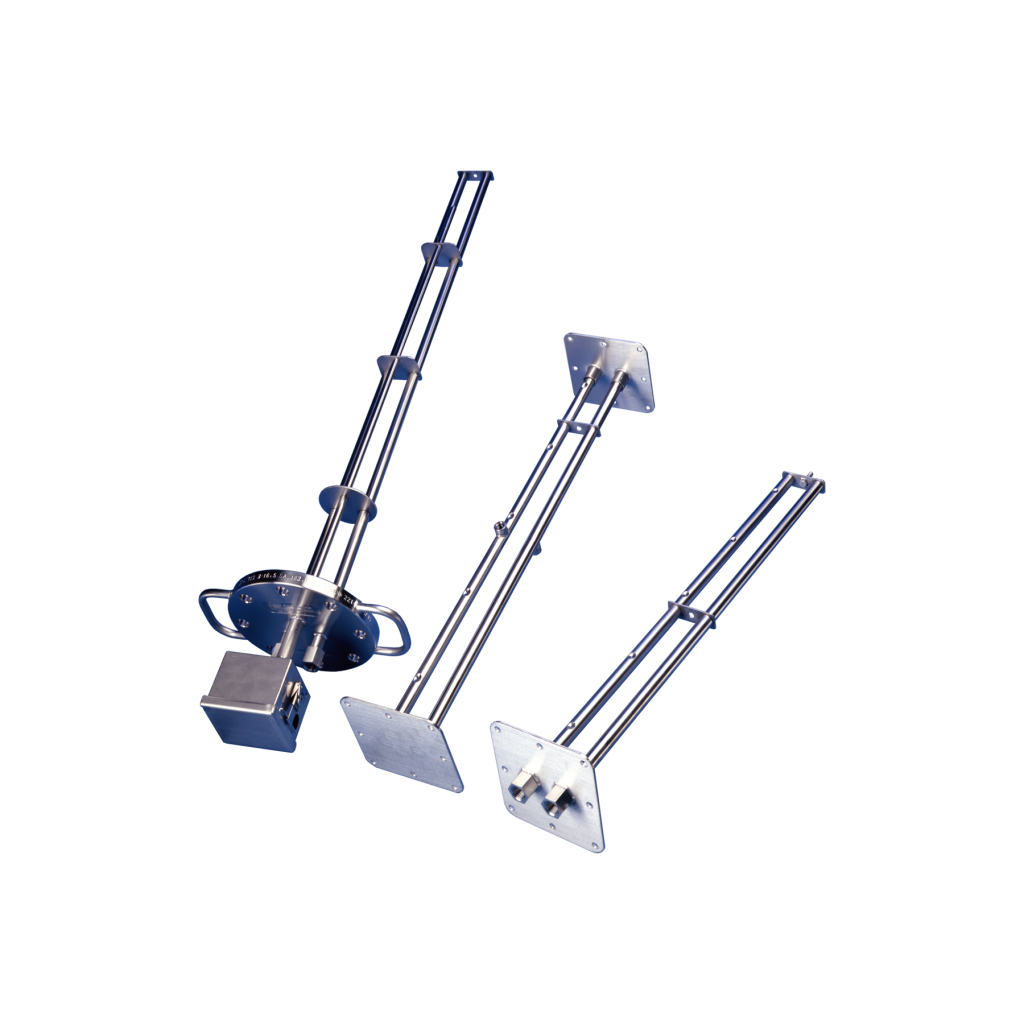
VOLU-probe/SS
Product Type: Insertion Flow Measuring…
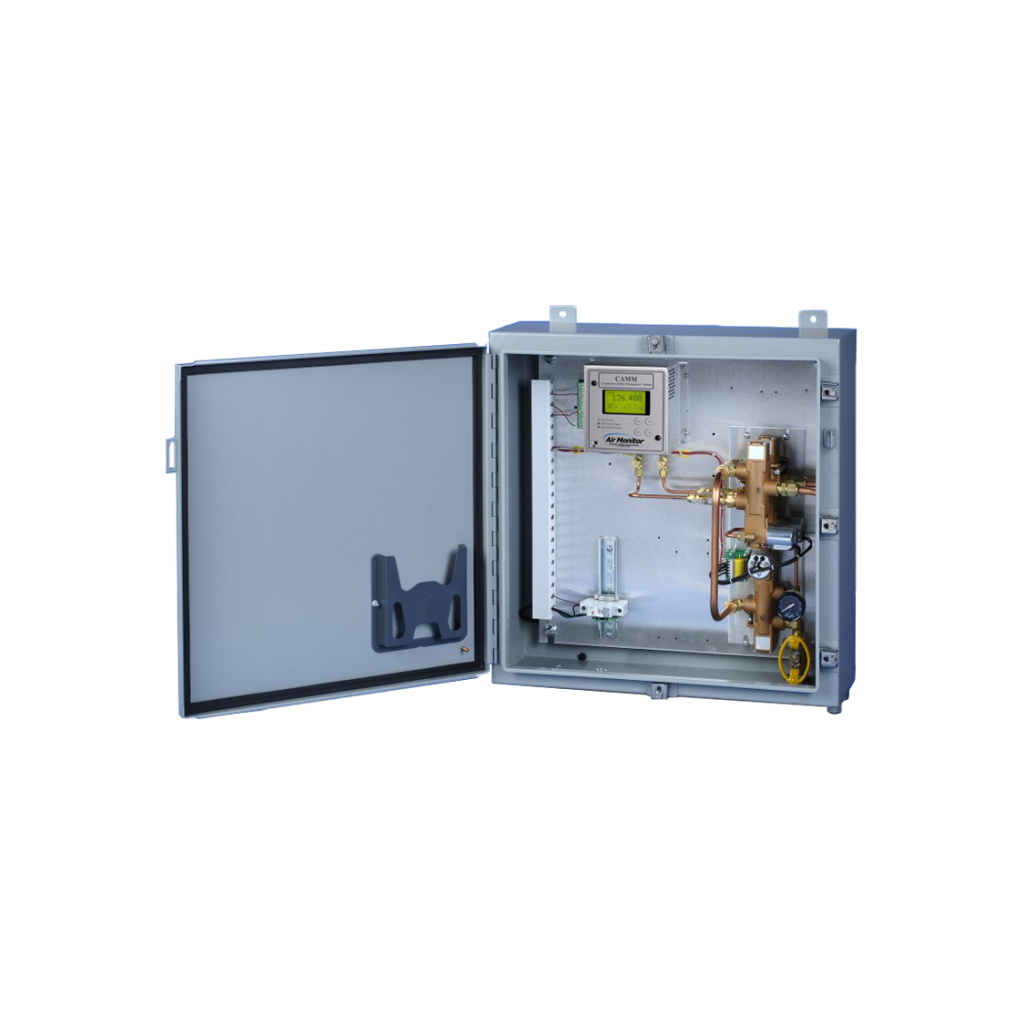
CAMS™
Product Type: Transmitter / Automatic…
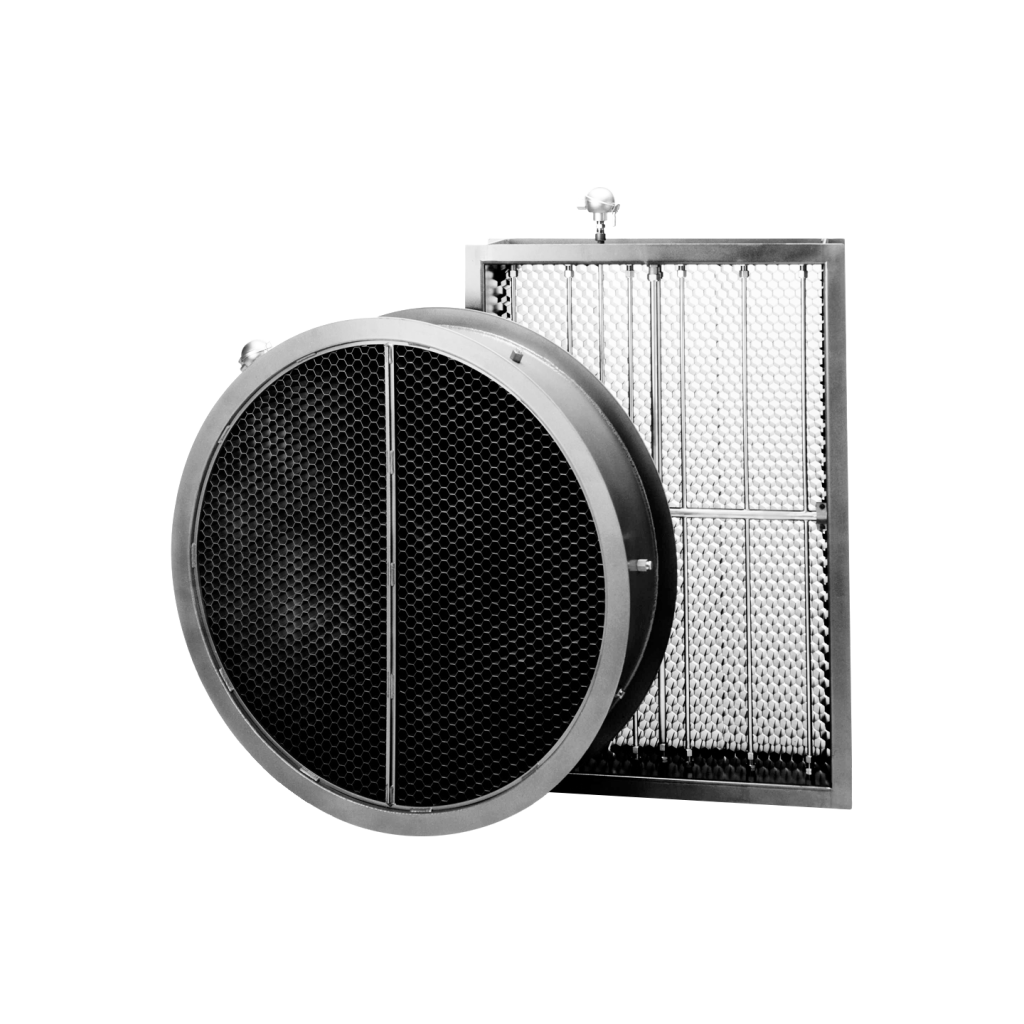
CA Station
Product Type: Inline Flow Measuring…
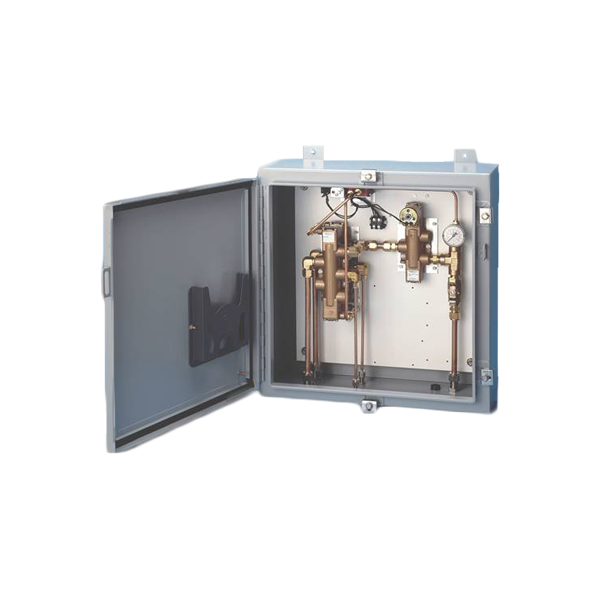
AUTO-purge III
Product Type: Automated High Pressure…
What you’ll find in the new Application Guide
The information in this Application Guide is helpful for engineers, plant operators, and maintenance teams responsible for combustion performance. In this guide you’ll find:
- Clear explanation of why secondary airflow is foundational for modern combustion control strategies.
- Concise overview of the most common measurement challenges seen in real‑world plants.
- Practical description of how Air Monitor’s engineered systems can be applied. This includes typical locations and configurations in secondary air ducts of a utility boiler system.
For readers already familiar with Air Monitor’s broader industrial offerings, this guide complements the Secondary Airflow content in the Industrial Airflow Applications section of airmonitor.com.
To see how plants like yours can improve combustion efficiency, reduce emissions, and cut fan energy with reliable secondary airflow data, download the new Secondary Airflow in Power Plants Application Guide today. For a deeper discussion of your specific duct layout, load profile, and regulatory goals, connect with an Air Monitor applications engineer through the Industrial section of airmonitor.com.
Air Monitor has been delivering engineered airflow measurement solutions since 1967. As the premier solutions provider for Commercial HVAC, Industrial Process, and Power Generation markets, Air Monitor offers both differential pressure and thermal dispersion measurement technologies — because the right technology for the right application is never one-size-fits-all. Learn more at airmonitor.com.
Frequently Asked Questions
A: Accurate secondary airflow measurement is essential because it directly affects the combustion air‑to‑fuel ratio, which in turn drives boiler efficiency, emissions performance, and overall safety. With many coal, gas, and oil‑fired units now operating across a wide load range and spending more time at low load, plants need reliable, repeatable secondary airflow data to maintain stable combustion and meet modern performance and environmental goals.
A: Air Monitor’s VOLU‑probe and Combustion Airflow (CA) arrays, combined with the CAMS Combustion Airflow Management System, maintain stable, accurate measurement across up to 10:1 turndown and do not require long straight duct runs, thanks to high‑density sensing and compensation for distorted flow profiles. Additionally, these systems offer negligible permanent pressure loss and integrated AUTO‑purge cleaning, which helps reduce fan power consumption and maintenance compared to traditional venturis and airfoils.