Accuracy & Reliability
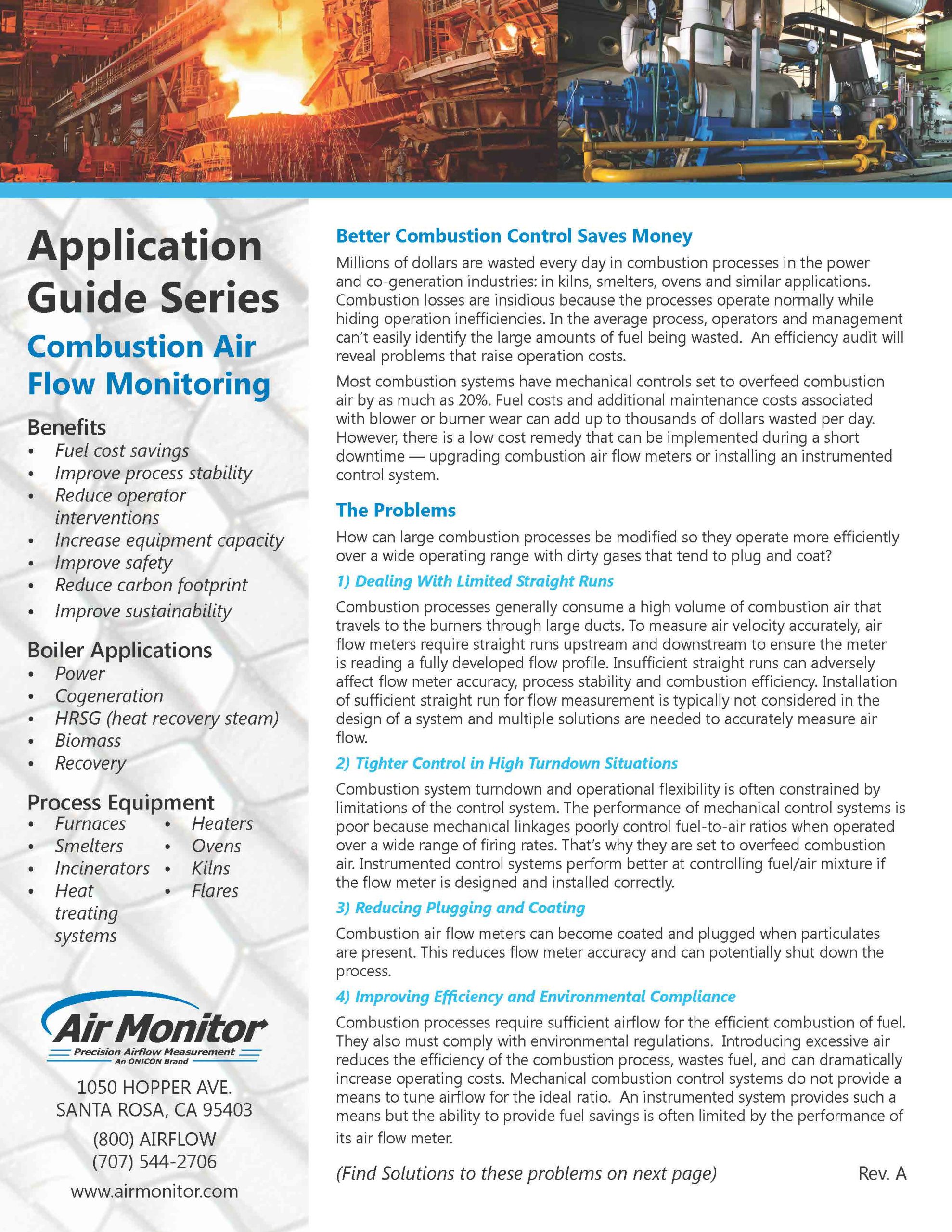
Reliable combustion control starts with accurate combustion airflow measurement. In large ducts, however, airflow is rarely uniform. Bends, dampers, fans, transitions, and other upstream conditions can create distorted velocity profiles that make a single-point reading unrepresentative of actual flow.
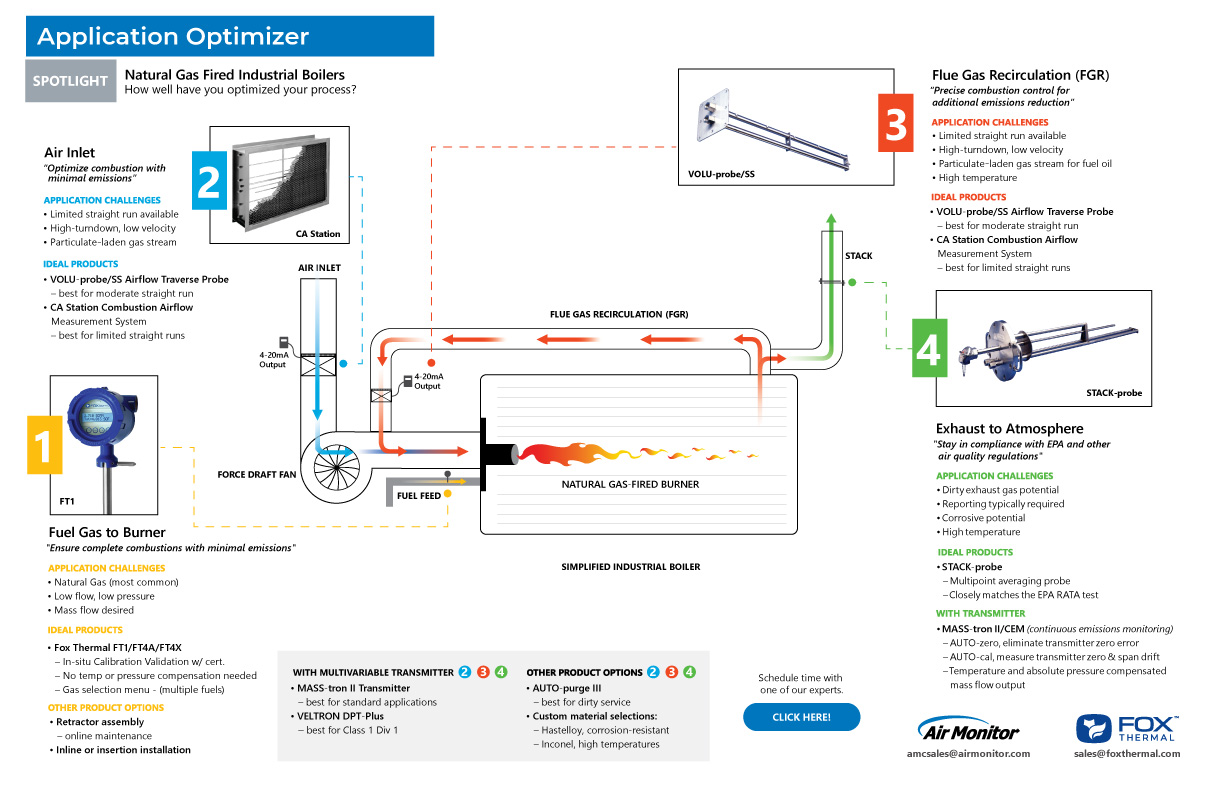
For most combustion airflow applications, multi-point averaging pitot tube airflow probes are the leading choice, particularly when measuring combustion air in large ducts or challenging flow conditions.

What Does “Multi-Point Probe” Mean in Combustion Control?
In combustion applications, a multi-point probe measures air or gas conditions at several locations across a duct or pipe rather than relying on a single sensing point.
For airflow measurement, multi-point averaging pitot probes use multiple sensing ports across the duct to measure total and static pressure. Those measurements are averaged to provide a more representative indication of airflow across the duct.
This approach is especially valuable in combustion systems, where velocity profiles can vary significantly across large duct cross-sections.
Top Multi-Point Airflow Solutions for Combustion Control
Different multi-point solutions can be used depending on duct size, flow conditions, and the specific combustion application.
1. Multi-Point Averaging Pitot Airflow Probes
For direct combustion air measurement, multi-point averaging pitot airflow probes are typically the primary choice.
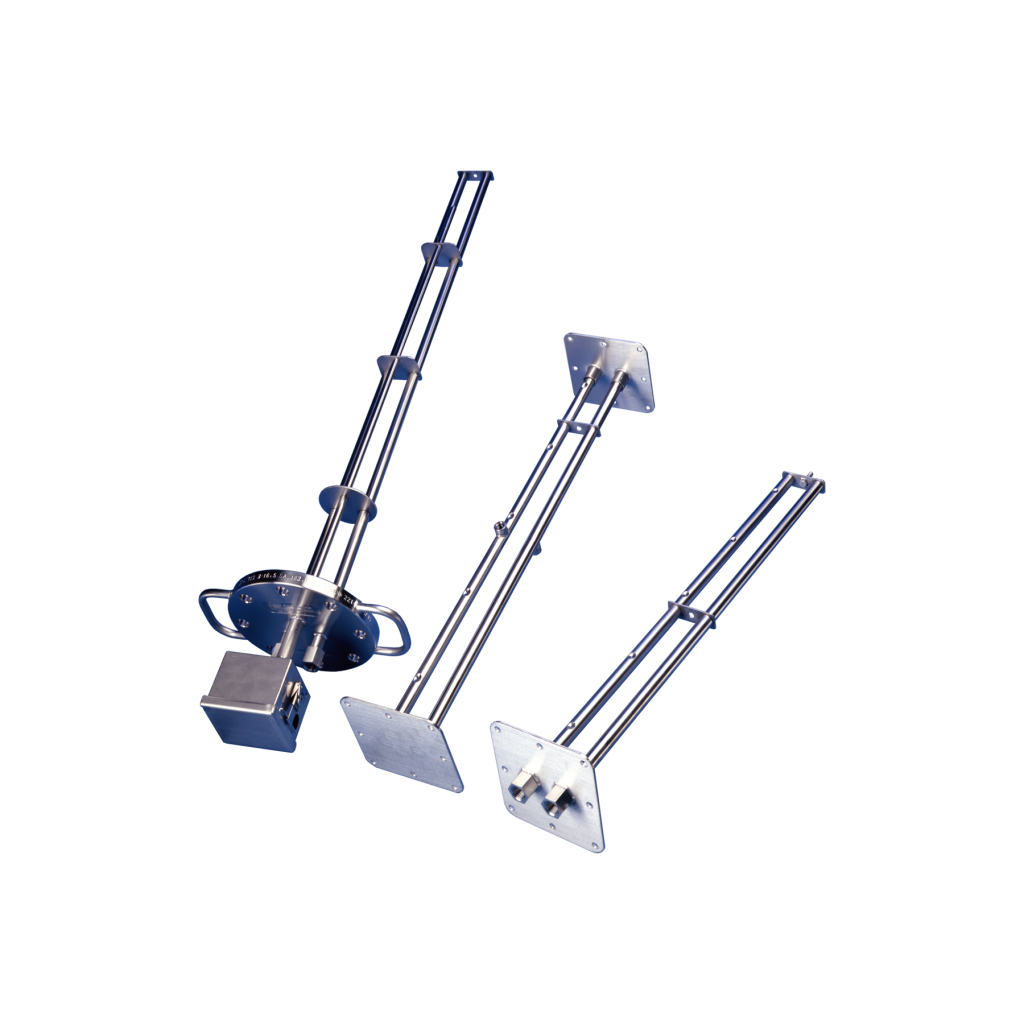
These probes measure differential pressure at multiple locations across the duct and average those readings to determine airflow. Because they sample a larger portion of the duct, they provide a more representative measurement than a single-point device when airflow is uneven.
Air Monitor’s VOLU-probe/SS is one example. It uses multiple total and static pressure sensing ports positioned across the duct to produce an averaged airflow measurement and can be applied in clean, dirty, corrosive, abrasive, and extreme-temperature environments.
Typical combustion applications include:
- Combustion air to burners
- Windbox and windbox outlet airflow
- Overfire air
- Forced-draft fan airflow
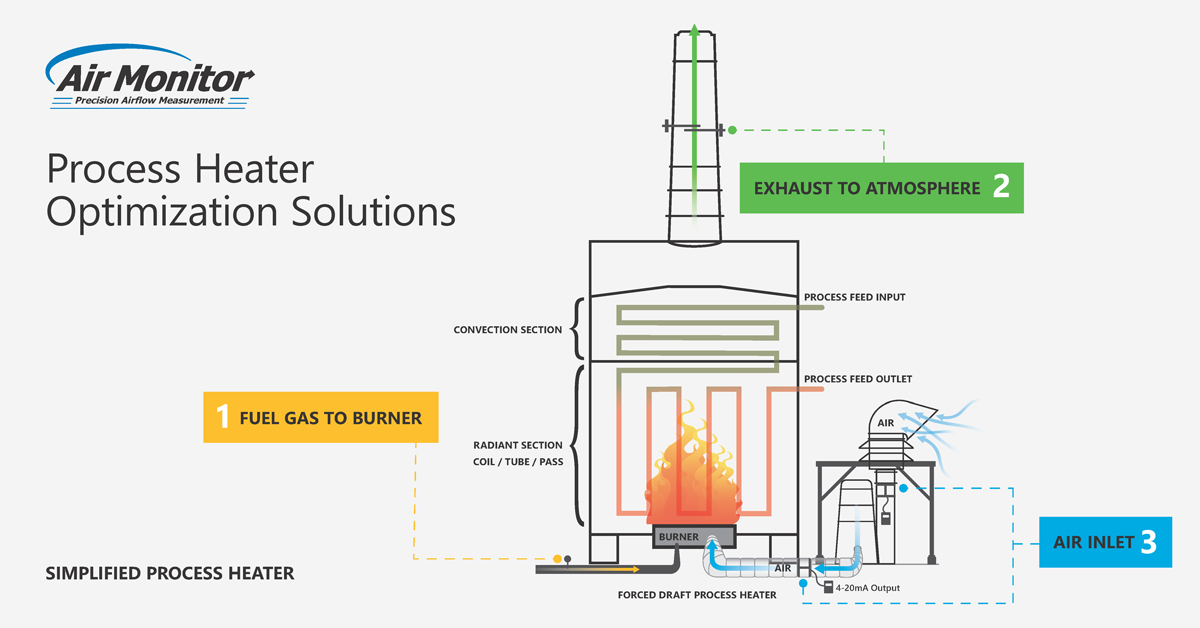
- Process heater combustion air
- Flue gas recirculation, where appropriate
For Air Monitor, multi-point averaging pitot technology is a core combustion airflow measurement approach because it provides the continuous airflow feedback needed to support stable fuel-to-air ratio control and burner performance.
2. Multi-Point Probe Arrays and Airflow Measuring Stations
Large ducts or difficult flow conditions may require more than a single insertion probe.
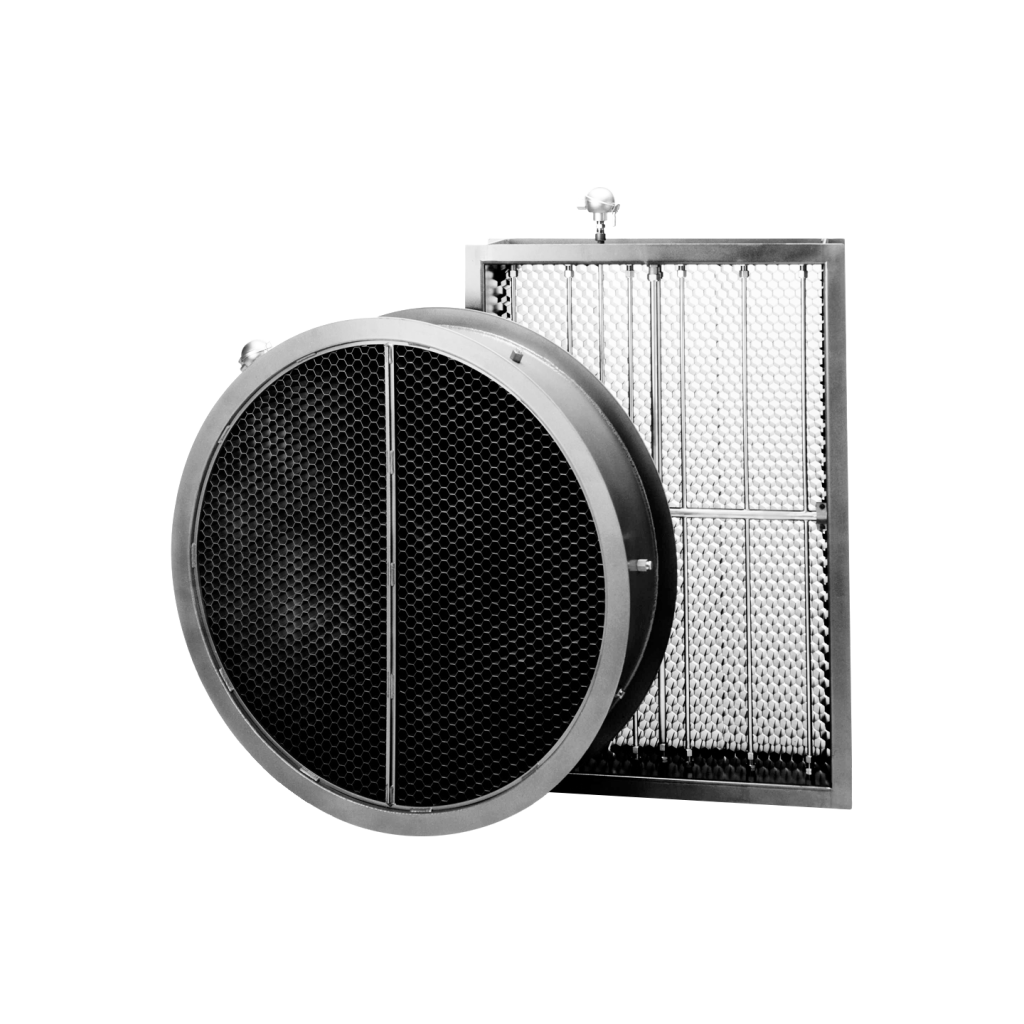
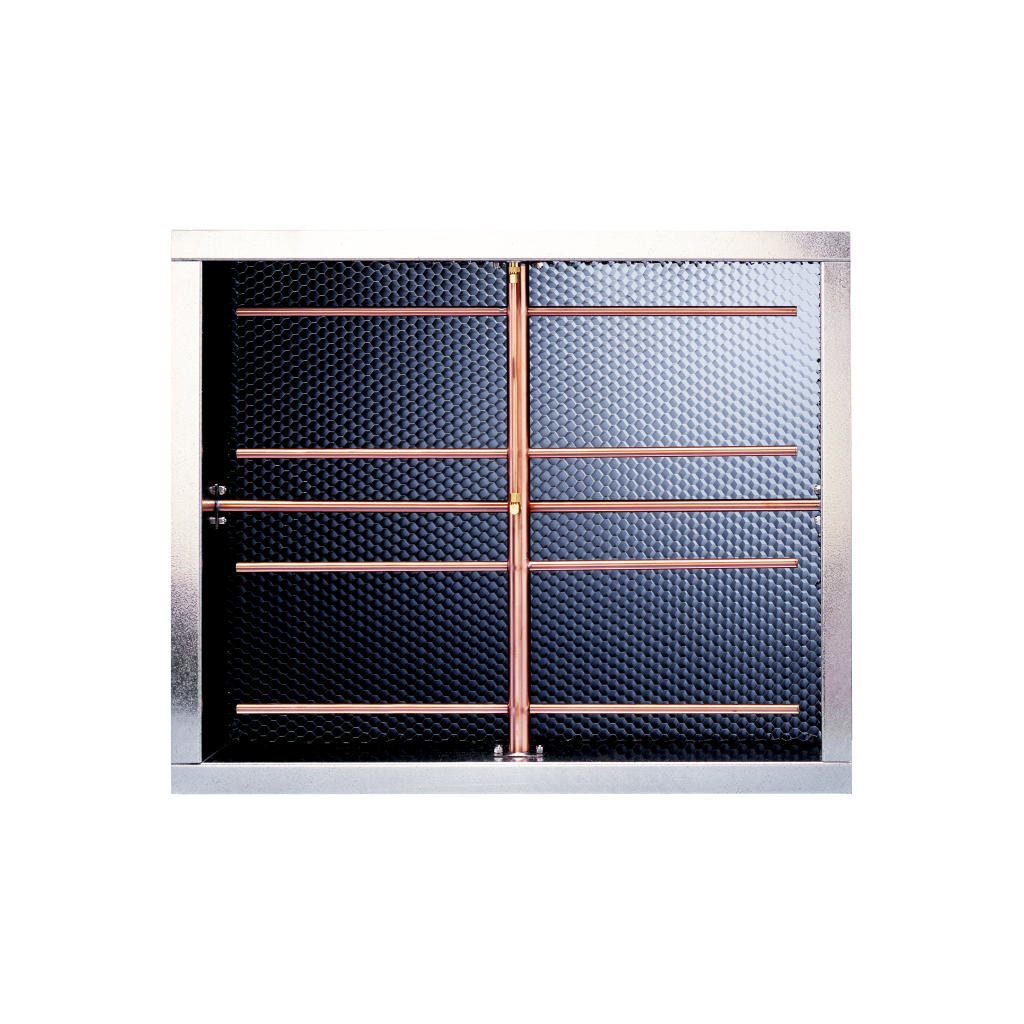
In these cases, multiple sensing elements can be arranged across the duct as a probe array, or the measurement system can be incorporated into a complete airflow measuring station.
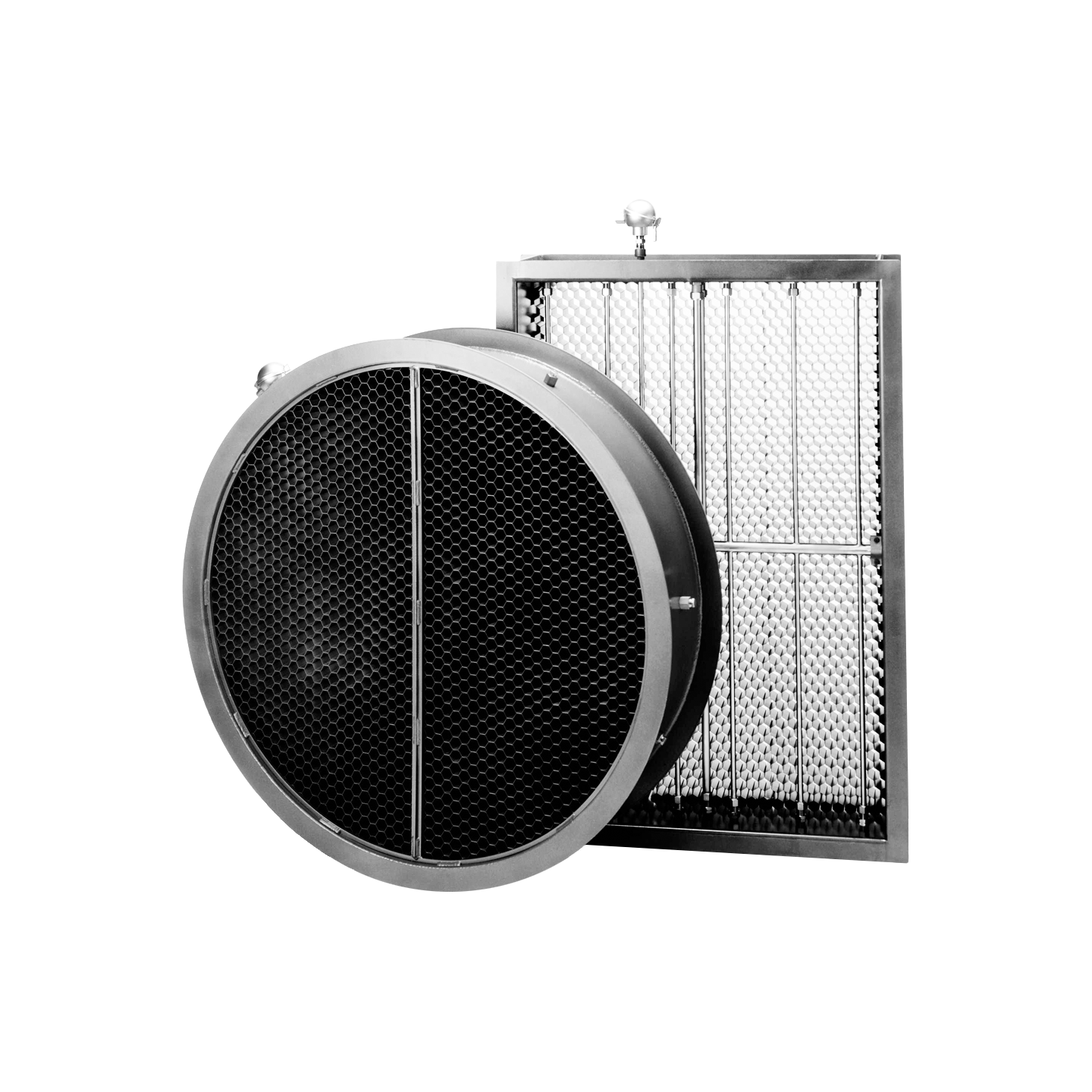
Air Monitor’s CA Station is designed specifically for combustion airflow measurement. It combines a multi-point differential-pressure pitot traverse array with built-in airflow conditioning to help produce a more representative measurement in challenging installations.
This can be particularly useful where there is limited straight duct run or where upstream components create distorted velocity profiles.
Applications can include:
- Primary air
- Secondary air
- Overfire air
- Other large-duct combustion airflow measurements
For systems with difficult duct geometry or highly non-uniform airflow, a complete measuring station can provide both the multi-point sensing coverage and flow conditioning needed for reliable measurement.
3. Multi-Point Flue Gas Flow Measurement
The same multi-point flow measurement principle can also be applied to selected flue gas applications.
Differential-pressure or velocity-pressure measurements taken at multiple locations can help characterize gas flow across a flue gas duct.
Potential applications include:
- Flue gas recirculation
- Induced-draft fan monitoring
- Stack flow measurement
- Flow balance verification
These environments can present additional challenges, including high temperatures, particulate loading, moisture, and other process conditions. For that reason, the probe and measurement system should be selected specifically for the application.
Why Multi-Point Averaging Pitot Probes Lead the List
Multi-point averaging pitot airflow probes are particularly well suited for combustion control because they address several common measurement challenges.
They Provide Spatial Averaging
Combustion air ducts often have non-uniform velocity profiles, especially downstream of bends, dampers, or fans. Measuring at multiple points provides a reading that better represents total airflow.
They Can Be Configured for Large Ducts
Combustion systems frequently use ductwork that is much larger than typical process piping. Multi-point probes, arrays, and measurement stations can be engineered to provide greater coverage across these large cross-sections.
They Support Changing Operating Conditions
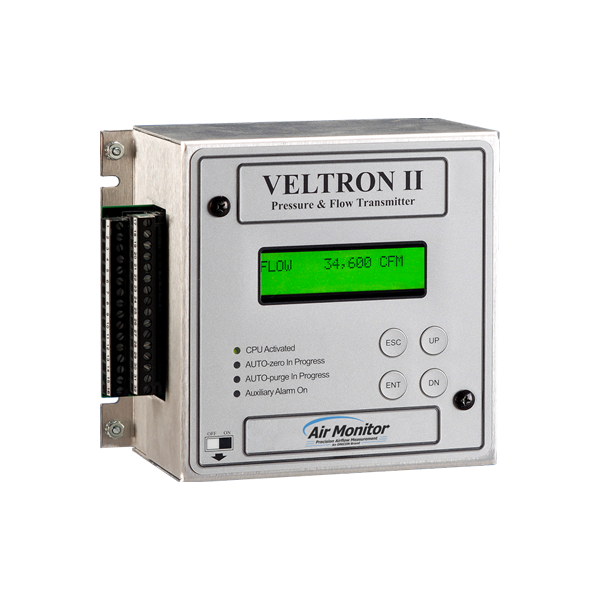
Boilers and process heaters may operate from low-fire conditions through full load. When paired with high-accuracy differential pressure sensing, multi-point probes can provide continuous airflow feedback as operating conditions change.
They Can Be Applied in Demanding Environments
Multi-point pitot-style probes can be configured for dirty air, elevated temperatures, and selected combustion-product streams. In particulate-laden applications, automated purge systems can periodically clear the probe’s sensing ports to help maintain measurement reliability and reduce maintenance.
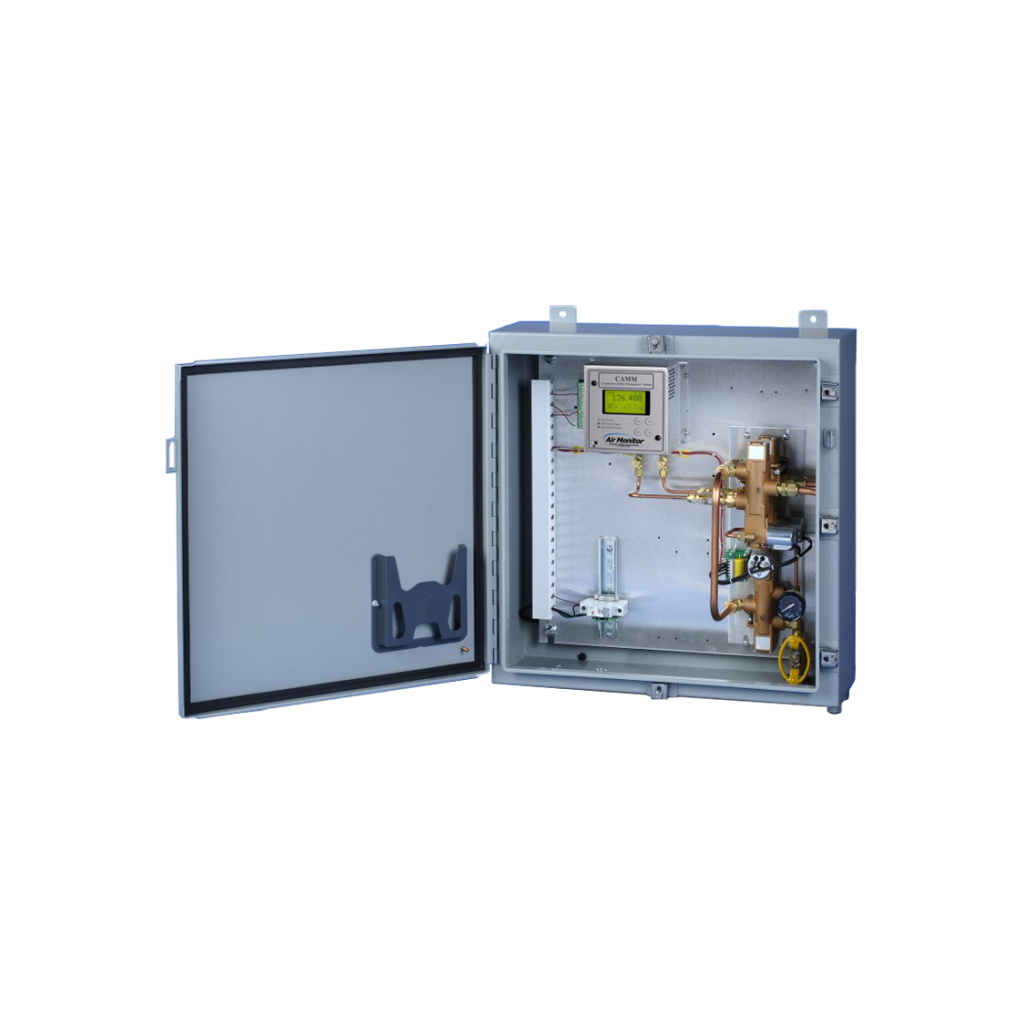
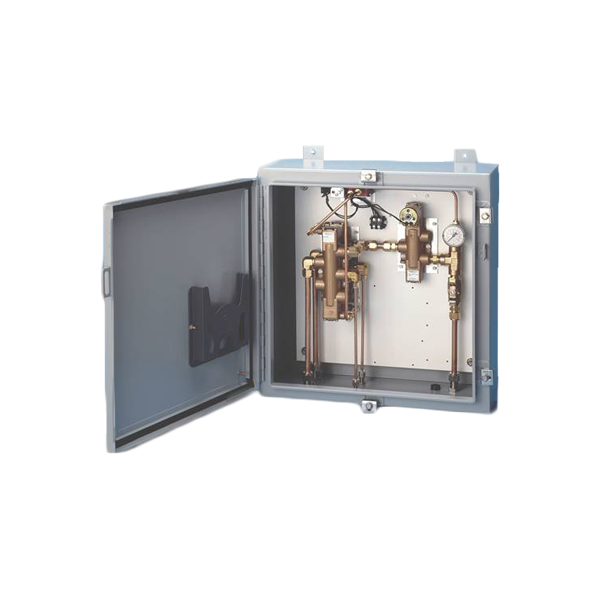
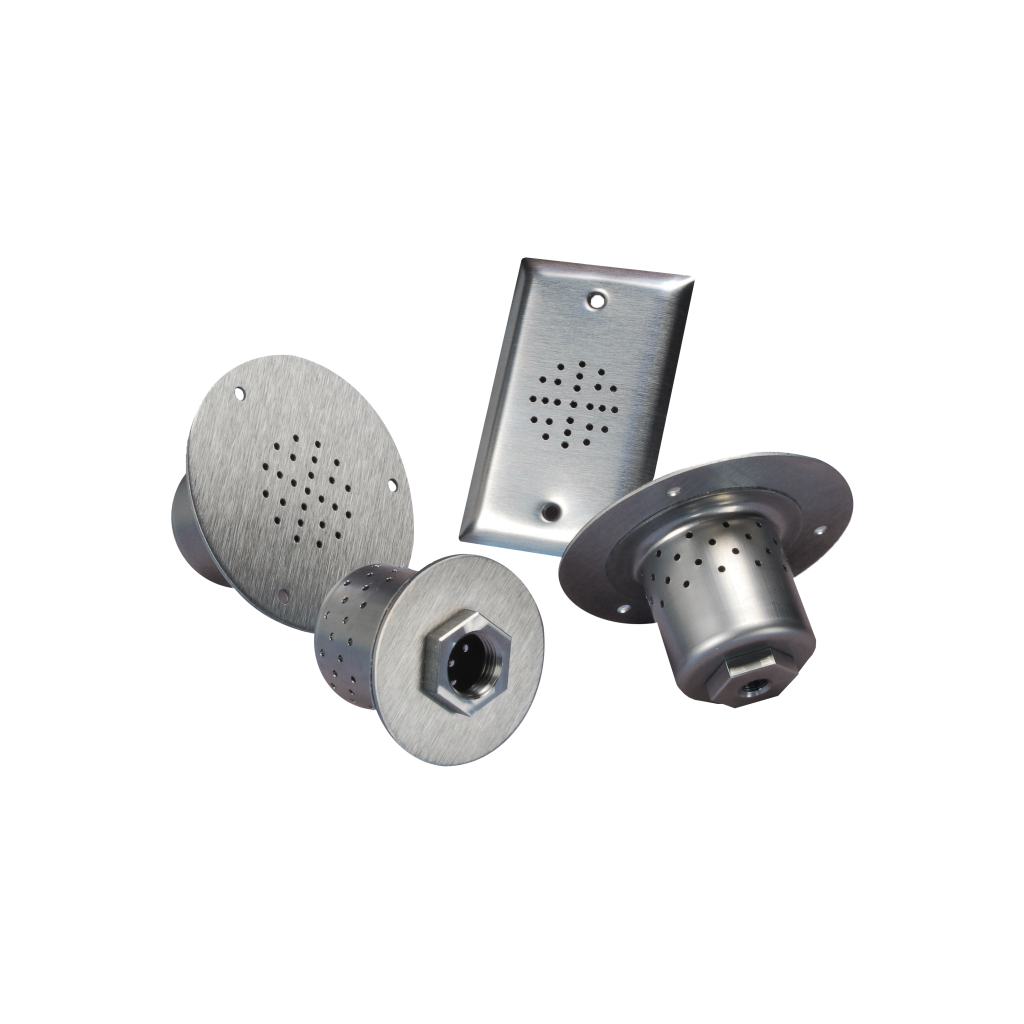
Air Monitor’s AUTO-purge III, for example, is designed to periodically purge total and static pressure sensing ports in dirty applications while protecting the differential pressure transmitter from the purge pressure. This can be valuable in applications involving fly-ash-laden combustion air, flue gas recirculation, and other particulate-heavy streams.
Where Does Temperature Profiling Fit?
Multi-point temperature measurement can also provide valuable information in combustion systems, but it serves a different purpose than direct airflow measurement.
Temperature profile measurements can help identify:
- Temperature imbalances
- Boiler or furnace exit gas temperature profiles
- Slagging or fouling conditions
- Heat-transfer issues
- Combustion maldistribution
These measurements are best viewed as complementary diagnostics. They can help operators understand system performance, but they do not replace direct multi-point airflow measurement for combustion control.
Choosing the Right Multi-Point Airflow Solution
When the primary goal is controlling combustion air, multi-point averaging pitot airflow probes should typically be the first technology considered.
For larger ducts or more difficult flow profiles, a multi-probe array or complete airflow measuring station may provide better coverage and, when necessary, flow conditioning. In dirty applications, automated purge capabilities can further support reliable long-term measurement.
Multi-point flue gas flow measurement and temperature profiling can then provide additional insight into selected parts of the combustion process.
For Air Monitor, the foundation remains the same: reliable combustion starts with precisely measuring the air entering the process.
Air Monitor offers multi-point averaging pitot probes, airflow measurement stations, high-accuracy differential pressure instrumentation, and automated purge solutions designed for challenging industrial combustion applications.
Contact Air Monitor to discuss your combustion airflow measurement application and determine the right probe, array, or airflow measurement station for your system.
Additional Resources:
View our full suite of product and application documentation: Downloads
Air Monitor has been delivering engineered airflow measurement solutions since 1967. As the premier solutions provider for Commercial HVAC, Industrial Process, and Power Generation markets, Air Monitor offers both differential pressure and thermal dispersion measurement technologies — because the right technology for the right application is never one-size-fits-all. Learn more at airmonitor.com.